Say what you will about Starbucks, but they do something right when it comes to customer experience (CX). It’s a rare day that I walk away with my coffee and feel like one of their staff members did less than what they should have to make my experience positive, which is why I find their recent corporate requirement for cup comments so confusing.
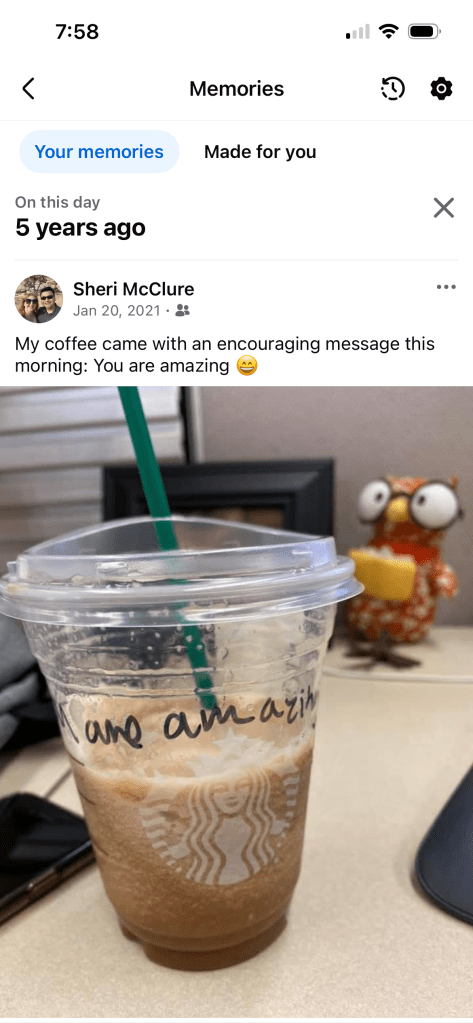
In the past, cup comments have generally been a place for an occasional well-wish. If I looked down and saw a “Have a great day!” or “You are amazing!” I knew it was because someone, at that moment, felt like sending an encouraging note. Did they know me? No. But that was okay. Sometimes random acts of kindness come exactly when they are most needed.
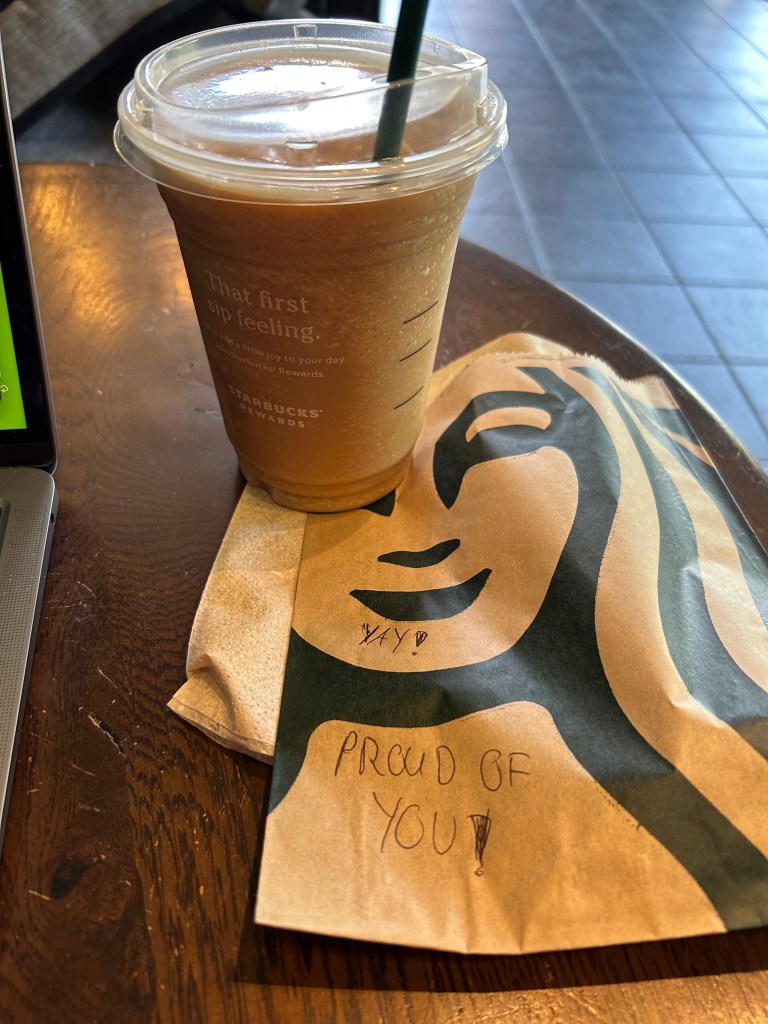
And sometimes they even came from a moment of real engagement with the cashier or barista. My all-time favorite and most memorable cup comment was the result of great customer service, genuine engagement, and kismet. The employee at the register beamed at me, took my order, and asked, “What has made today great for you?” It just so happened that I had defended my dissertation remotely the day before and hadn’t gotten to tell many people, so I told him. He did a little celebration with me and, when I got my order, he had written, “Yay! Proud of you!” on it. He didn’t have to do anything to celebrate, but he chose to mark that moment with me, and I will always remember it.
It’s easy to say that this was just a great employee or that he would have gone above and beyond no matter where he was working. These may be true statements. But the reality is that he was a Starbucks barista. Whether the culture of the business attracted him or the training cultivated behaviors that allowed this interaction or whether it was a combination of these and many other factors, I will never know. But I now associate this human being, this interaction, and this feeling with my local Starbucks. Starbucks is winning.
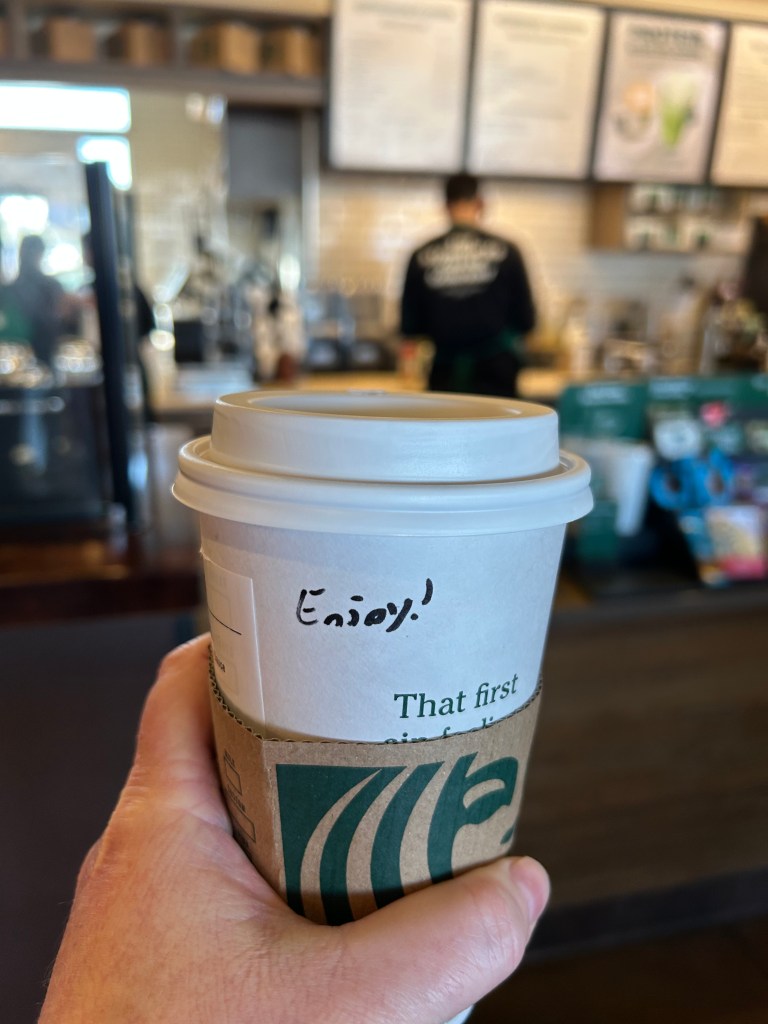
So why change their policy? For those who may be unaware, Starbucks baristas are now required to put a comment on every single cup. My most recents have read “Yummy,” “Good choice!,” and “Enjoy!” Nice sentiments, perhaps, but did they add anything to my experience? No.
In fact, the comments made me wonder if my overall Starbucks experience has actually gotten WORSE because of this new requirement. Each barista now has to scramble to make the drinks AND come up with something witty to say on every single order. Do they get in trouble if they write the same thing on each cup? Does it take a few seconds longer for them to produce each order now that they have this additional step? Do those seconds compound over the day to cost the customer time and the business money? Will I, the customer, eventually have to pay for the cost of those pens that they almost eliminated with their sticker labelling system but brought back for these mandatory notes?
As a consultant, my big question is: did you ask your customers?
Because if you are wasting time, money, and resources on something that YOU think your customers value, but they think is worthless, then you are losing something even more valuable than money: your reputation.
If you are considering a change “for the sake of your customers,” don’t make the same mistake Starbucks is making right now. Talk to your customers. If you’d like help gathering information, Root Cause Consulting is happy to help. Contact us today to get started!
 Root Cause Consulting